

Best Online Biopsycho Therapy BPT Course 2026 for Healthcare Providers and Psychologists

BioPsychoTherapy (BPT) Psychotherapy

Dr. Joseph Jacobs, DPT, ACN
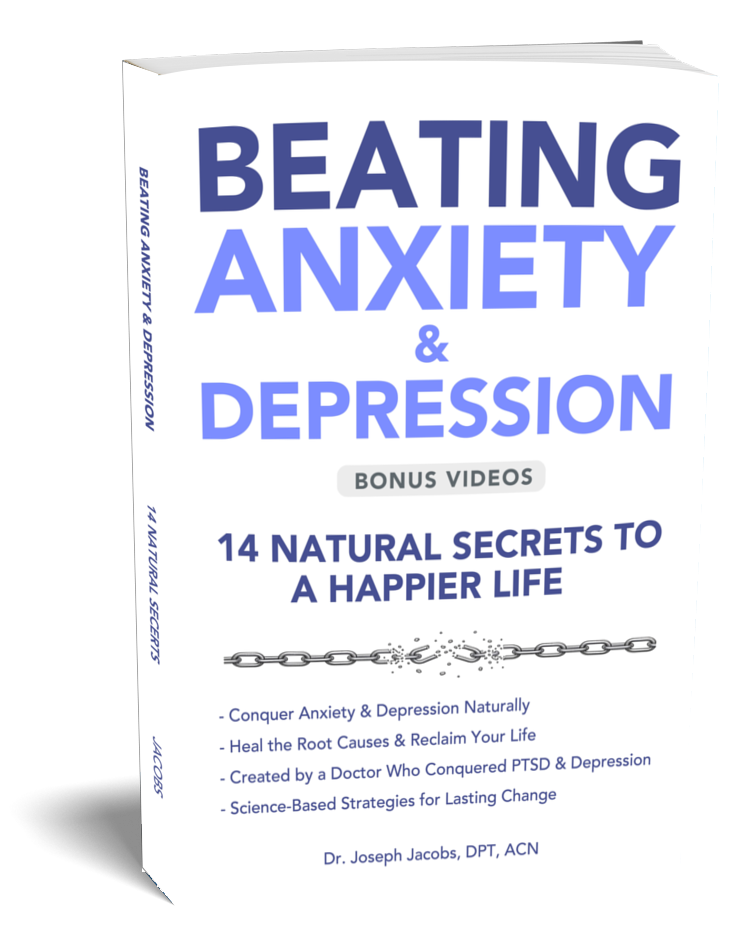
Beating Anxiety & Depression: 14 Natural Secrets to a Happier Life Book
Evidence-Based Training Equips Clinicians with Integrated Biopsychosocial Assessment and Psychotherapy Skills
Mental health conditions are increasingly recognized as multifactorial, shaped by complex interactions among biological processes, psychological patterns, and social environments. While the biopsychosocial model is widely accepted as a foundational framework in modern mental health care, many clinicians report limited formal training in applying it consistently and systematically in practice. The Biopsycho Therapy (BPT) Course was developed to address this gap by providing structured education in biopsychosocial theory, clinical assessment, and psychotherapy-aligned intervention strategies.
The BPT curriculum emphasizes integrated clinical reasoning that considers nervous system regulation, stress physiology, emotional processing, cognitive patterns, behavioral responses, and psychosocial influences. Participants learn how to conduct comprehensive assessments, develop coherent case conceptualizations, and design individualized care strategies that reflect the interconnected nature of mental health conditions rather than isolating symptoms.
“Psychological distress rarely exists in isolation from biological and social factors,” said Dr. Joseph Jacobs, Doctor of Physical Therapy and Advanced Clinical Therapist. “The Biopsycho Therapy Course provides clinicians with a cohesive, evidence-based framework to understand how these domains interact and how to address them responsibly within clinical practice.”
Delivered fully online and self-paced, the program is designed to accommodate the schedules of busy professionals while maintaining academic rigor. The flexible format removes common barriers to advanced psychotherapy education, including travel requirements, extended in-person training, and prolonged time away from clinical responsibilities.
The course is appropriate for a broad range of professionals, including psychologists, counselors, social workers, nurses, therapists, and integrative healthcare providers. Emphasis is placed on ethical application, scope-appropriate practice, and evidence-aligned clinical reasoning to ensure patient safety and professional integrity.
Participants receive training in biopsychosocial assessment frameworks, therapeutic communication, emotional regulation strategies, cognitive and behavioral interventions, and psychosocial stress evaluation. The curriculum supports clinicians in strengthening therapeutic alliance, improving clinical insight, and enhancing treatment planning for complex mental health presentations.
As part of the required curriculum, participants study Beating Depression, a clinically focused text used to examine biopsychosocial contributors to depression, mood disorders, and emotional dysregulation. The book is incorporated as an educational resource to support case conceptualization, therapeutic dialogue, and evidence-based understanding of depression within a biopsychosocial framework. Emphasis is placed on critical evaluation, clinician judgment, and individualized application rather than prescriptive or one-size-fits-all treatment models.
The curriculum also introduces adjunctive therapeutic concepts commonly discussed in integrative mental health education, including magnetic therapy principles. These components are presented strictly for educational and conceptual understanding within a biopsychosocial framework and are intended to support interdisciplinary awareness rather than replace established psychotherapy practices.
Scientific research supports the biopsychosocial approach as a cornerstone of effective mental health care. Studies have demonstrated that integrated care models addressing biological, psychological, and social determinants are associated with improved patient engagement, stronger therapeutic outcomes, and enhanced quality of life. Foundational research published in Science and subsequent peer-reviewed literature reinforces the importance of multi-domain assessment and treatment planning in depression, anxiety, trauma-related conditions, and psychosomatic disorders.
Graduates of the Biopsycho Therapy (BPT) Course report increased confidence in clinical assessment, improved ability to conceptualize complex cases, and greater professional satisfaction. By strengthening clinicians’ ability to integrate biopsychosocial reasoning into everyday practice, the program supports more comprehensive and sustainable approaches to mental health care.
ASTR Institute developed the Biopsycho Therapy Course in response to growing demand for mental health education that aligns with contemporary research and real-world clinical needs. The Institute’s mission is to elevate standards of care by integrating evidence-based theory, practical skills, and interdisciplinary understanding into modern healthcare education.
Enrollment for the Biopsycho Therapy (BPT) Course is now open. Additional information regarding curriculum content, eligibility, and enrollment is available through ASTR Institute.
Selected Scientific References
- Engel GL. The need for a new medical model: A challenge for biomedicine. Science. 1977.
- Borrell-Carrió F, et al. The biopsychosocial model 25 years later: principles, practice, and scientific inquiry. Annals of Family Medicine. 2004.
- Thase ME, et al. Combined psychotherapy approaches for depression. The American Journal of Psychiatry. 1997.
- Beutler LE, et al. Clinical integration and psychotherapy outcomes. Journal of Clinical Psychology. 2000.
Dr. Joseph Jacobs, DPT
ASTR Institute
+1 949-236-6862
email us here
Visit us on social media:
LinkedIn
Instagram
Facebook
YouTube
TikTok
X
Legal Disclaimer:
EIN Presswire provides this news content "as is" without warranty of any kind. We do not accept any responsibility or liability for the accuracy, content, images, videos, licenses, completeness, legality, or reliability of the information contained in this article. If you have any complaints or copyright issues related to this article, kindly contact the author above.
